
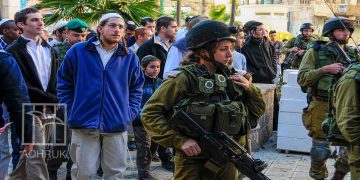








Israeli Occupation Forces (IOF) have continued, since last Monday, their sustained assault on the Shu‘fat refugee camp and the town of ‘Anata, north of occupied Jerusalem, through a sweeping campaign of raids targeting the homes of prisoners, former detainees, and the families of slain Palestinians. These operations have been accompanied by arrests, summonses, and on-the-spot interrogations, alongside collective punitive measures imposed on residents and commercial premises.
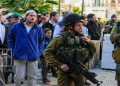
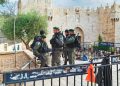
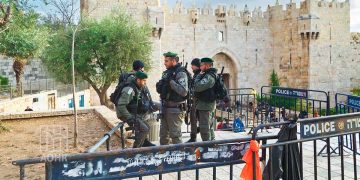
The camp and the town have witnessed a heavy deployment of occupation forces, who erected military checkpoints inside residential neighbourhoods, stormed dozens of homes and shops, confiscated and destroyed goods, and issued fines to residents, as part of a comprehensive policy of pressure aimed at enforcing collective deterrence and intimidation.
The campaign has been marked by practices that violate human dignity, including the detention of young men for long hours inside makeshift rooms set up at military checkpoints, forcing them to sit on the ground while handcuffed, banning them from speaking, and subjecting them to pushing and beatings during detention and interrogation.
Raids also targeted the families of former prisoners who have been forcibly exiled abroad, in a manifestation of “proxy punishment”. The forces seized their relatives’ mobile phones and attempted to compel communication with them, while photographing the interiors of homes in practices that amount to a grave violation of privacy and family life.
In a related development, occupation forces raised Israeli flags inside neighbourhoods of Shu‘fat camp and filmed and circulated footage of the ransacking of shops and the destruction of their contents—an overt use of coercive symbolism as a tool to humiliate residents and impose psychological domination.
Taken together, these measures constitute a flagrant breach of international humanitarian law, particularly the Fourth Geneva Convention, which prohibits collective punishment and guarantees the protection of civilians living under occupation from intimidation and cruel or inhuman treatment.
They also violate international human rights law, which safeguards the rights to dignity, the inviolability of the home, privacy, and freedom of movement—all of which are being systematically undermined during these incursions.
The targeting of the families of prisoners and former detainees, the confiscation of civilian property, and the destruction of livelihoods amount to collective punishment, which is explicitly prohibited under international law and cannot be justified on so-called security grounds.
Likewise, the detention of civilians in degrading conditions, or subjecting them to coercive field interrogations without legal safeguards, stands in direct contradiction to the most basic standards of fair trial and the absolute prohibition of cruel, inhuman, or degrading treatment.
These practices fall within a broader policy aimed at Palestinian refugee camps as symbols of displacement and the right of return, seeking to dismantle their social fabric through sustained security, economic, and psychological pressure.
This assault comes at a time when the residents of Shu‘fat camp and ‘Anata are already living under severe hardship, caused by movement restrictions, the separation wall and checkpoints, and the deprivation of essential services. The continuation of these military campaigns only deepens the humanitarian crisis and entrenches a permanent state of fear, particularly among children, women, and the elderly.
In the absence of accountability, these violations persist as a policy that entrenches impunity and systematically eroding the legal protection that civilian populations under occupation are supposed to enjoy.