

















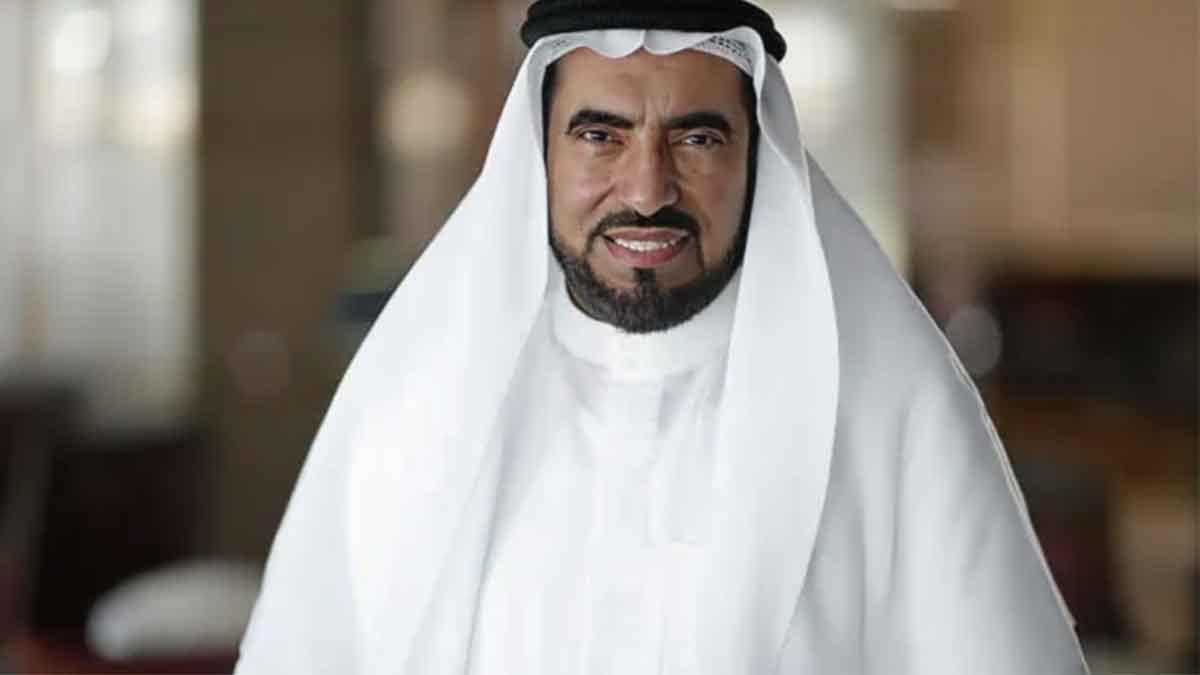
The Kuwaiti authorities have issued three new decrees revoking the citizenship of 24 individuals and their dependents, foremost among them the prominent Islamic preacher, Tareq Al-Suwaidan.
This comes amid an escalating trend that has seen nearly 33,000 citizenships revoked within less than a year, a clear indication that the citizenship file has shifted from a legal framework into a political tool wielded arbitrarily and without independent judicial oversight.
Al-Suwaidan now joins a long list of former MPs, ambassadors, military officials, media figures, and artists. The common factor is not fraud or forgery, as officially claimed, but political or ideological views that diverge from those of the authorities. As such, the revocations appear to be politically motivated punishments cloaked in selectively applied legal provisions.
Al-Suwaidan is a public figure of intellectual and religious prominence, associated with the Islamic movement, and well known for his preaching and media work. His long-standing opposition to the Gulf states’ positions—particularly his rejection of the 2013 military coup in Egypt—renders the decision to strip his citizenship politically charged.
The move cannot be dismissed as a mere “administrative” action; it is better understood as a method of silencing dissent and disciplining opponents, sending a chilling message that legal identity is no longer a guaranteed right, but a revocable privilege contingent on political conformity.
The government relies on vague provisions in the nationality law, particularly Article 13, which grants the executive sweeping powers to revoke citizenship on the grounds of “state interest,” “affiliation with foreign political bodies,” or “promoting ideas that undermine the regime.”
Such language, broad and unregulated, allows for purely political interpretation and paves the way for punishing individuals based solely on beliefs or public expression, without the need for proven offences or independent court rulings.
Stripping an individual of citizenship is one of the gravest actions a state can take. It affects not just the person’s legal identity, but also their rights to residence, work, and movement, extending harm to their family members who lose citizenship by association. It is a penalty akin to life imprisonment or forced exile, but imposed without due process or judicial guarantees.
This decision reveals a systemic flaw in Kuwait’s approach to citizenship, transforming it from a stable legal bond into a coercive instrument used against dissenters, weaponising identity to suppress freedom of thought and political expression.
More dangerously, such practices foster a climate of self-censorship and fear, where citizens feel unsafe expressing opinions or affiliating with certain ideas, directly contradicting the most basic principles of constitutional justice and human rights.
The revocation of Al-Suwaidan’s citizenship must be seen in the broader political context of shrinking civic space and the criminalisation of alternative ideologies. It is a serious blow to the concept of citizenship, reducing it to a politically governed file rather than a right anchored in law and equality.
As the revocations continue without genuine judicial oversight, an urgent review is required. Citizenship must remain a legal right grounded in justice, not a disciplinary tool wielded at the whim of political authorities.