










The Gaza Strip is witnessing an unprecedented escalation in malnutrition among children and pregnant women, after months of siege and the collapse of the basic foundations of life.
In this context, the United Nations Children’s Fund (UNICEF) has sounded the alarm over the alarming rise in malnutrition among children and expectant mothers in the enclave, months after the most recent ceasefire. The organisation warned that the humanitarian situation “continues to spiral towards catastrophic levels.”
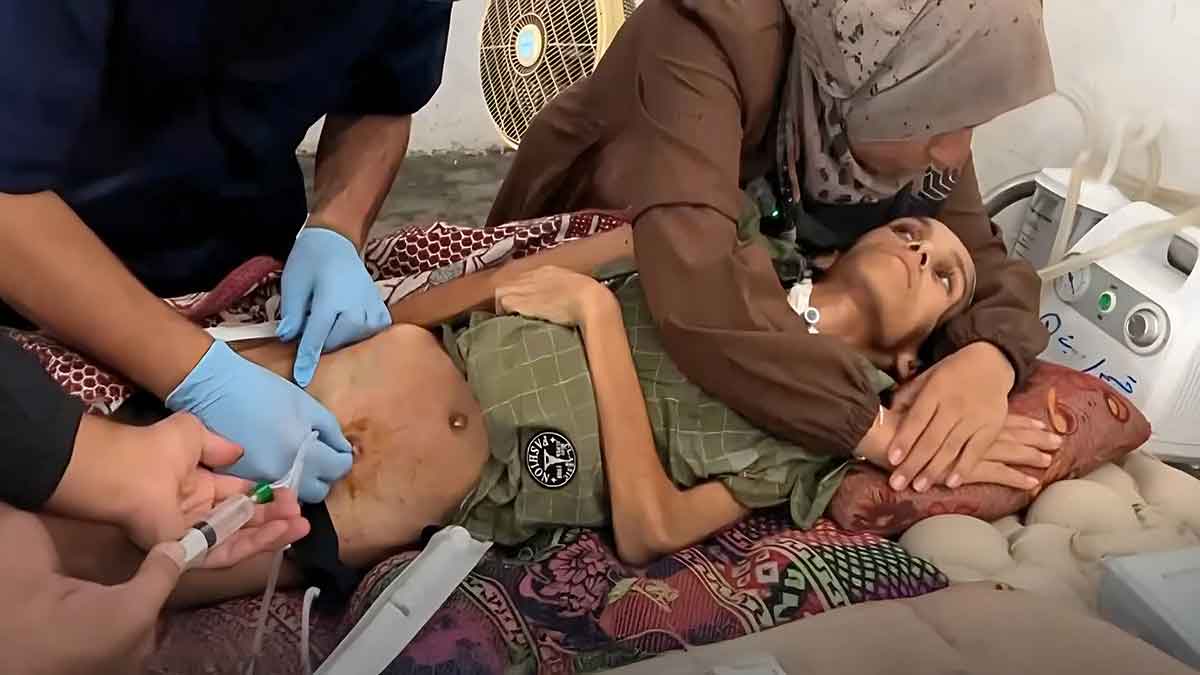
According to UNICEF, 9,300 children were admitted to hospitals in October for treatment of severe acute malnutrition. Although this figure marks a decline from the peak of more than 14,000 cases recorded in August, it remains far higher than levels seen in February and March, in a stark indicator of the persistent shortage of aid and the absence of any real improvement in living conditions.
UNICEF spokesperson Tess Ingram told a press briefing in Geneva that the humanitarian catastrophe extends to mothers as well. In October alone, the organisation received 8,300 pregnant and breastfeeding women suffering from severe acute malnutrition, an average of 270 cases each day.
She added that maternal malnutrition has led to premature births and low-weight newborns “dying in intensive care units, or surviving only to be drawn early into the cycle of malnutrition and associated health complications.”
The organisation noted that prior to October 2023, Gaza had recorded virtually no significant levels of malnutrition among pregnant women, making the current surge nothing short of unprecedented.
Ingram expressed regret that Israeli restrictions continue to block the entry of essential medical supplies into the Strip, stressing that such obstacles directly undermine civilians’ right to health and life, and are deepening both the food and health crises.
Highlighting these restrictions is especially critical in light of humanitarian norms that obligate an occupying power to ensure the basic needs of the civilian population, including food, medical care, and unhindered access for aid.
Preventing medical supplies from entering, or obstructing the functioning of hospitals, constitutes a clear violation of fundamental protection principles in conflict, and is viewed as a direct contributor to rising deaths linked to hunger and inadequate healthcare.
The closure of crossings, particularly Rafah, has effectively severed Gaza’s population from the global humanitarian system, making access to food and medical treatment contingent on military and bureaucratic decisions that do not reflect the urgent needs of two million people. This reality leaves families with no access to alternative sources of nutrition, turning the most vulnerable children into direct victims of a collapsing supply chain.
Amid this deadlock, the already-overburdened health system has become unable to respond, with hospitals functioning more as registration points for malnutrition cases than as centres of actual rescue.
The emerging data shows that severe acute malnutrition is no longer a fleeting phenomenon, but a rising trend that reflects the collapse of life’s basic foundations, striking at an entire generation of children now facing the risk of stunting, weakened immunity, and premature death.
The developments confirm that the ceasefire has not brought a humanitarian reprieve. The absence of meaningful efforts to allow aid in and improve conditions is compounding the crisis each day, turning hunger into a persistent threat to hundreds of thousands of civilians, especially children and women, amid international inaction.