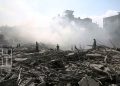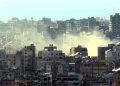




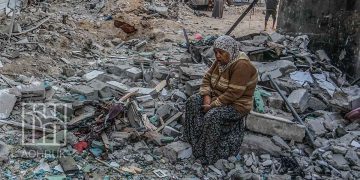

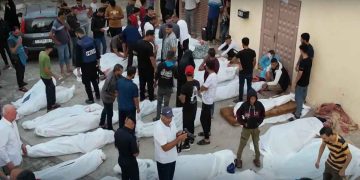







The Gaza Strip has been experiencing an unprecedented humanitarian crisis for more than two years, following the launch of a genocidal war by the Israeli occupation against Palestinians in the territory, resulting in thousands of killed and injured and widespread destruction of civilian infrastructure.
In this context, the Office of the Spokesperson for the UN Secretary-General warned that an estimated one million people, around half of Gaza’s population, remain in urgent need of shelter assistance, amid the ongoing consequences of the genocide carried out by the occupation for more than two years.
The statement noted that the need for shelter persists despite the efforts of humanitarian workers to distribute thousands of tents, hundreds of thousands of tarpaulins, and other materials across various areas of the Strip since the ceasefire entered into force.
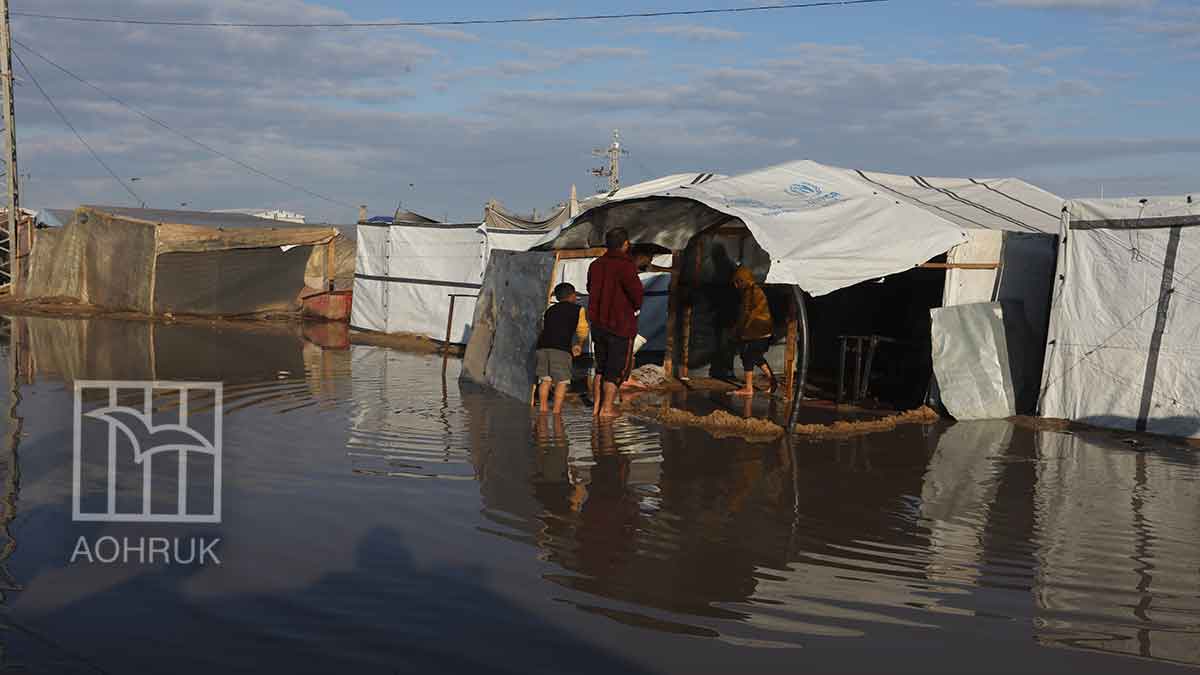
The UN Office for the Coordination of Humanitarian Affairs (OCHA) said that relief teams continue to assist the most vulnerable families, as harsh winter conditions have left hundreds of thousands of Palestinians struggling in makeshift tents that have been damaged by rain, strong winds, and seawater flooding.
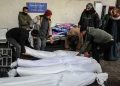
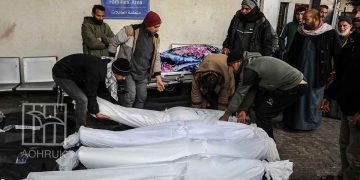
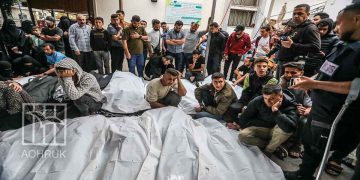
In a tragic incident, a Palestinian woman and her child died on Friday after a fire engulfed their tent in the Yarmouk area of central Gaza City, as they attempted to keep warm amid the severe cold. The Civil Defence reported that two bodies were recovered from the blaze, while another person was rescued with burn injuries. The relevant authorities are still investigating the circumstances of the incident.
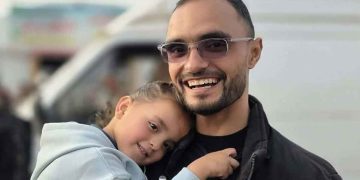
Medical sources also reported that the child Malak Ghanim died from cold exposure inside her family’s tent in the Nuseirat refugee camp, amid two consecutive waves of severe low-pressure weather systems since last week. These conditions have led to the deaths of dozens of children and the flooding and damage of approximately 53,000 tents sheltering displaced people across the Strip.
The worsening humanitarian crisis in Gaza highlights serious violations of civilians’ rights and of international humanitarian law, particularly with regard to protecting the population from harsh weather conditions and ensuring the provision of safe shelter.
Depriving civilians of adequate housing, or exposing them to direct life-threatening risks due to the failure to provide basic shelter materials, constitutes a grave violation of the right to life, the right to housing, and the right to the protection of civilians during armed conflict.
Moreover, the occupation’s continued failure to adhere to the terms of the ceasefire and the humanitarian protocol, including the entry of tents, mobile homes, and essential supplies, further compounds the crisis and obstructs the provision of necessary protection for civilians, leaving thousands of families exposed to additional risks from fires, extreme cold, and flooding.
This reality underscores the urgent need for immediate international action to ensure the protection of civilians, provide adequate shelter, and prevent further avoidable deaths under conditions that could and should be averted.