










The rights of civilians in the Gaza Strip have come under mounting pressure for years as a result of the ongoing restrictions on the entry of essential humanitarian assistance and commercial goods necessary for daily life.
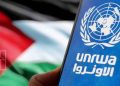
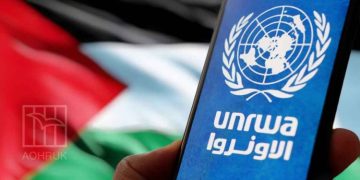
In this context, the United Nations Relief and Works Agency for Palestine Refugees (UNRWA) warned that opening the Rafah crossing for the passage of individuals alone, without allowing humanitarian aid to enter, does not alter the deteriorating humanitarian reality in Gaza.
UNRWA spokesperson Jonathan Fowler said that ending the humanitarian catastrophe in the Strip requires the unrestricted opening of all crossings, foremost among them the Rafah border crossing with Egypt, to allow the entry of food aid, medical supplies, and shelter materials. Limiting the opening of the crossing to individual movement, he added, preserves the core of the crisis and keeps the population trapped in deprivation and suffering.
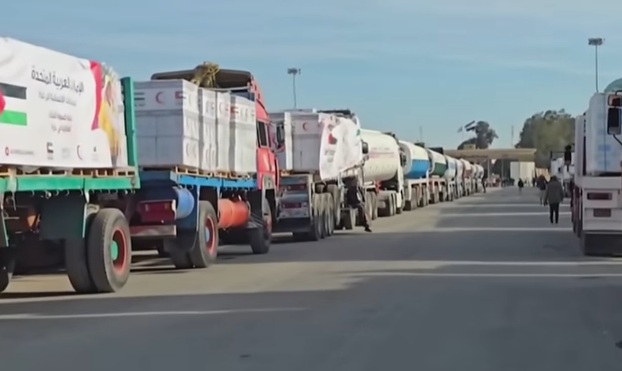
UNRWA explained that aid consignments destined for Gaza remain stranded in Egypt and Jordan, as the occupation has prevented their entry since March 2025, a situation that has widened the humanitarian needs gap and deepened manifestations of hardship among the population.
Fowler stressed that blocking relief is one of the principal reasons for the continuation of suffering, affirming that the signs of tragedy remain stark: children facing hunger, shortages of medical supplies, the spread of disease, the collapse of water and sewage systems, and an acute lack of shelter materials.
He noted that at least 600 aid trucks per day represent the minimum required to keep the population alive, and that any figure below this threshold means the crisis will persist, particularly in light of restrictions on the types of aid permitted and on operating hours at the crossings.
This situation prevents Gaza’s residents from accessing food, medicine, clean water, and shelter, constituting a flagrant violation of international humanitarian law, which guarantees the protection of civilians in armed conflict and ensures the unimpeded and non-discriminatory delivery of humanitarian assistance.
Any deliberate obstruction or restriction on the entry of aid, or the imposition of arbitrary conditions on its passage, constitutes a violation of fundamental rights such as the rights to life, health, and adequate housing, and places direct responsibility on the authorities controlling the crossings.