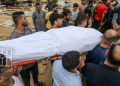
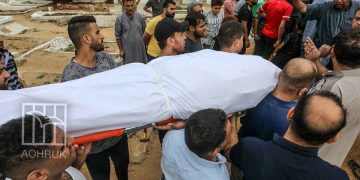
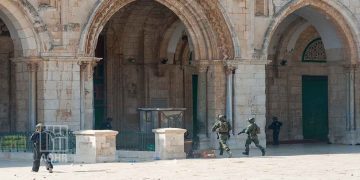






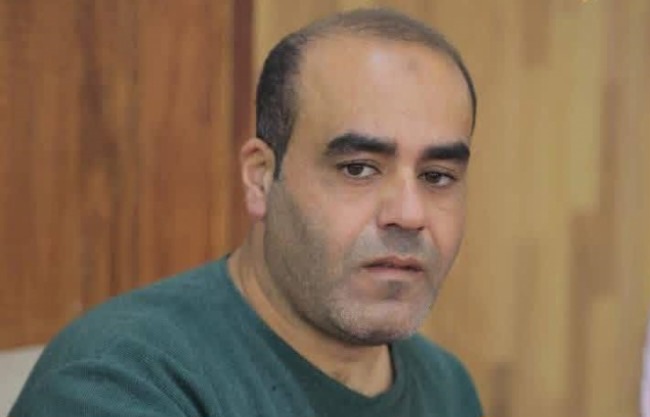
A Palestinian man, Baha’ Abdel Rahman Rashid, 38, was killed on Friday after being shot by Israeli forces during a military raid on the village of Odala, south of Nablus.
The Palestinian Ministry of Health confirmed that he succumbed to a severe head wound caused by live fire while standing near the old mosque as worshippers exited following Friday prayers.
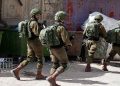
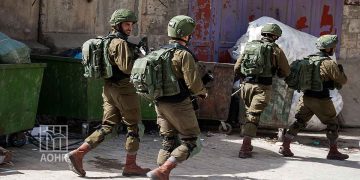
According to eyewitnesses and local sources, Israeli forces carried out a sudden incursion into the village, firing live rounds as well as tear-gas and stun grenades heavily in a densely populated residential and religious area. The young man was critically wounded before his death was later announced.
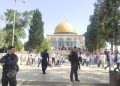
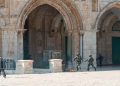
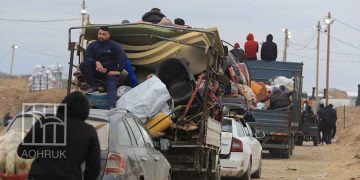
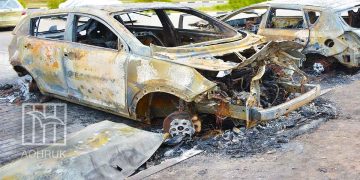
The killing comes amid a series of wide-ranging raids launched by Israeli forces across northern West Bank districts under what they call “Operation Five Stones”, targeting the cities of Tubas, Aqaba, Tammun, Al-Far’a and Tayasir. The operation forms part of a broader policy of imposing control by force, entrenching the reality of occupation on the ground, and tightening restrictions on civilian lif coupled with a surge in settler violence aligned with expansionist settlement goals.
Field data indicates that attacks by Israeli forces and settlers over the past two years have resulted in the killing of hundreds of Palestinians and the injury of thousands, alongside the arrest of more than 21,000 people in a pattern that reveals the continuing erosion of the basic protections civilians are meant to enjoy under occupation.
The killing of Baha’ underscores the arbitrary nature of the occupation itself, the framework from which most violations stem, from sudden military incursions to the excessive use of force and the targeting of civilians in residential zones. Under international law, occupation is meant to be a temporary, exceptional situation; it cannot be turned into a permanent regime that subjugates an entire population by force and exposes their lives to constant danger. Its persistence makes it a source of ongoing violations and a fundamental affront to basic human rights.
The use of live ammunition in a crowded civilian environment, the firing near places of worship, and the repeated operations that undermine rather than protect civilian safety all constitute grave breaches of the principles governing the protection of civilians in armed conflict. They also place the occupying power under clear legal obligations relating to proportionality, distinction between civilians and combatants, and the prevention of unnecessary harm.
As large-scale raids and military operations continue, the need for a more resolute international stance becomes ever more urgent; one that confronts these violations and reaffirms that the Palestinian people live under an occupation devoid of legal or moral legitimacy, an occupation whose very existence remains the root of the daily abuses endured by civilians.