





In a context marked by the criminalisation of opinion and the shrinking of public space, the policy of arbitrary arrest targeting journalists and advocates of peaceful discourse continues, in clear violation of fundamental rights guaranteeing freedom of expression and the right to personal security.
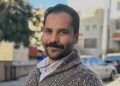
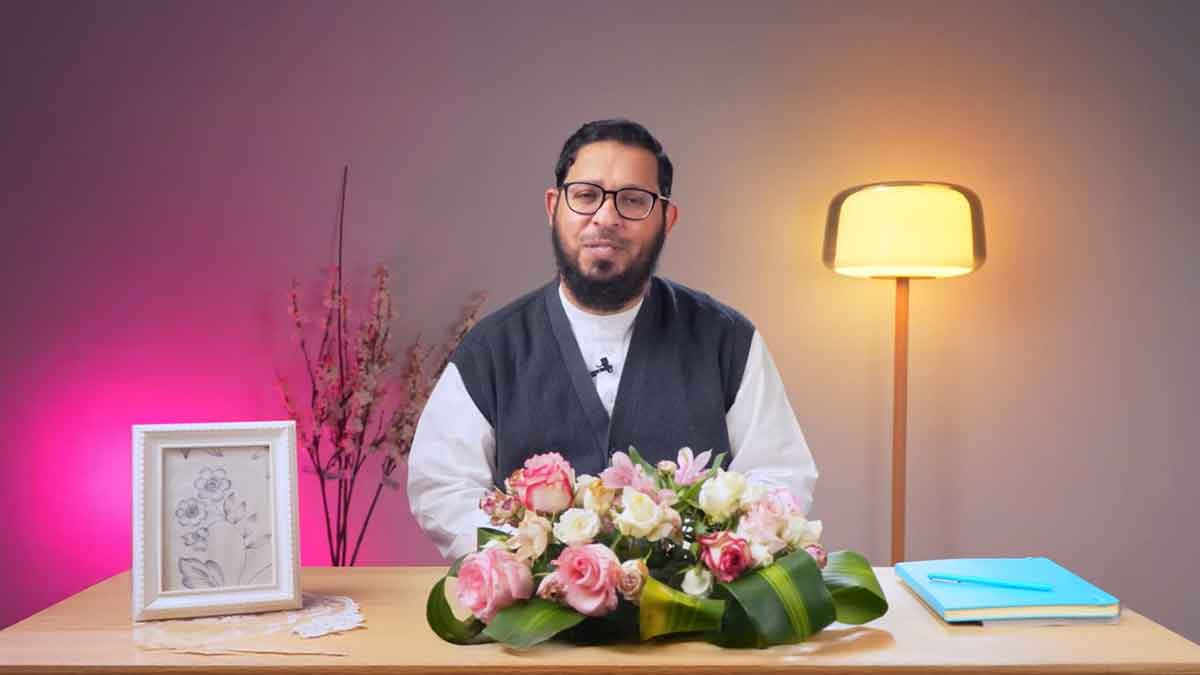
In this regard, it has emerged that the Saudi authorities have arrested media figure Mohammed Al-Sayed, presenter of the well-known religious television programme Sawa’ed Al-Ikhaa (“Arms of Brotherhood”).
Contact with Al-Sayed has been cut off since December of last year, with no official announcement regarding the reasons for his disappearance or confirmation of his place of detention, should he indeed be held in custody.
The arrest of Mohammed Al-Sayed constitutes a new link in a long chain of repressive measures targeting journalists, preachers, and opinion-holders on the basis of their peaceful public activity, particularly in the religious and intellectual spheres.
Sawa’ed Al-Ikhaa was an awareness-raising programme with a religious and social character. It aired for several seasons beginning in 2013 and featured a number of well-known scholars and preachers, before being suspended without any official explanation.
This arrest takes on added significance in light of the fact that some of the programme’s most prominent guests in its early seasons remain in detention since 2017, such as Salman Al-Ouda and Ali Al-Omari. This reflects a systematic pattern of targeting any independent religious or media space, even when it is peaceful and far removed from incitement or violence.
The detention of a media professional without the announcement of clear charges, and without enabling him to communicate with his family or legal counsel, represents a blatant violation of the right to liberty and personal security, the right to a fair trial, and the right to freedom of opinion and expression. These are fundamental rights guaranteed under international human rights law and may not be restricted or suspended under the pretext of security or public order.
Moreover, enforced disappearance or detention incommunicado constitutes one of the gravest human rights violations, as it entails the complete stripping away of legal safeguards and opens the door to ill-treatment and violations of human dignity, in direct contravention of the principles of justice and the rule of law.
The arrest of Al-Sayed underscores that the policy of criminalising peaceful opinion remains in force, and that the public sphere in Saudi Arabia is subject to severe constraints that suppress any independent expression, even within non-political religious or educational frameworks.