









More than 3,000 cases of measles have been recorded over the past three months in the states of South and West Darfur, amid warnings of a grave deterioration in health conditions and the rapid spread of epidemics across the region, as war continues and restrictions are imposed on medical and humanitarian work.
The Sudan Doctors Network (a non-governmental organisation) said on Wednesday that its field teams had documented a sharp rise in infections, noting that the figures reflect a widespread collapse of the healthcare system, particularly in areas outside regular medical coverage.
This development comes at a time when the Rapid Support Forces control all centres across Darfur’s five states, while the Sudanese army controls most other states in the country, including the capital, Khartoum.
Since the outbreak of war between the two sides in April 2023, driven by disputes over the unification of the military institution, Sudan has been experiencing one of the world’s worst humanitarian crises, with tens of thousands killed and around 13 million people displaced.
The Sudan Doctors Network pointed out that restrictions and logistical complications in Darfur have prevented the delivery of vaccines, medicines, and medical supplies, stressing that the disruption of routine and emergency immunisation campaigns has directly contributed to the spread of the disease, particularly among children, who are the most vulnerable to epidemics.
The spread of infectious diseases in Darfur is directly linked to the consequences of the ongoing war, which has led to the destruction of health infrastructure, mass displacement, overcrowded camps, and the breakdown of pharmaceutical supply chains.
Measles is a disease that is fully preventable through vaccination, making its spread a clear indicator of systemic health collapse rather than of the nature of the disease itself.
Moreover, the use of security and military restrictions to prevent or obstruct access to healthcare services constitutes a serious violation of the right to health, a fundamental human right that does not lapse during armed conflicts. International humanitarian law obliges parties to conflict to facilitate the passage of medical assistance and protect healthcare workers, and prohibits the use of civilians’ basic needs as a means of pressure or siege.
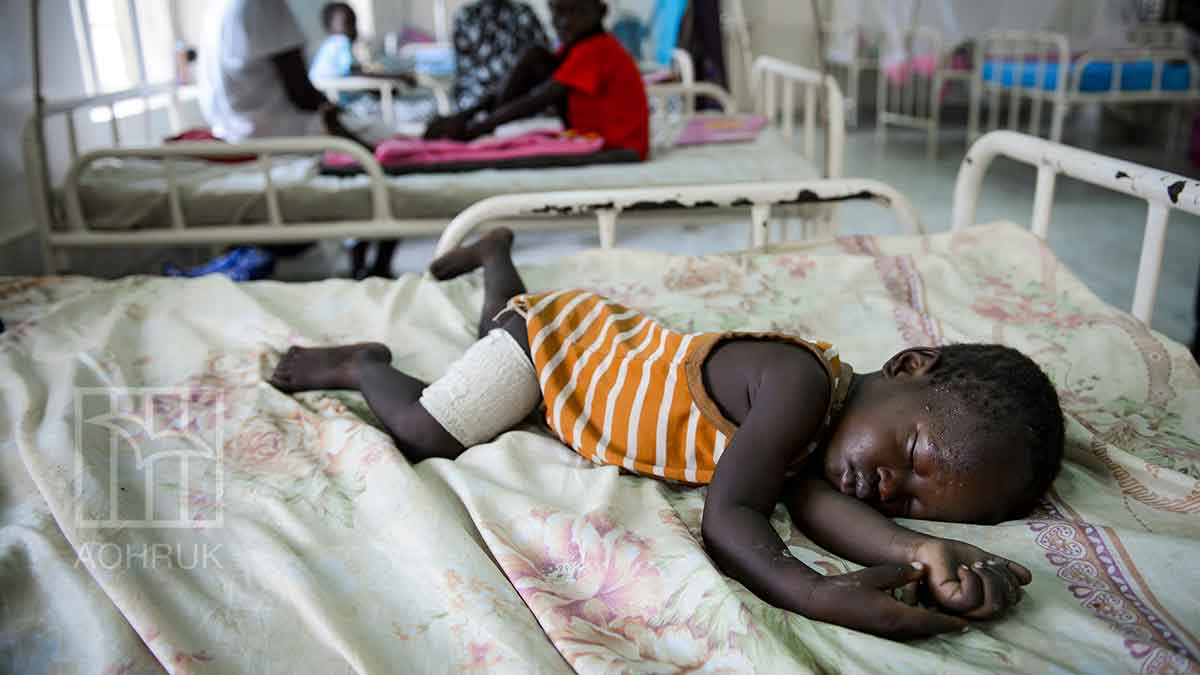
The worsening spread of measles, alongside other diseases, reflects the extreme vulnerability of children in Darfur, who face the simultaneous threats of illness, malnutrition, and the absence of healthcare. There are growing fears that continued disruption of vaccination campaigns could trigger broader epidemic waves, threatening the lives of thousands of children and leaving long-term impacts on an entire generation.
As the conflict expands and political solutions remain absent, epidemics stand as one of the war’s most brutal faces, killing civilians silently and stripping them of their most basic right, including the right to life, health, and human dignity.