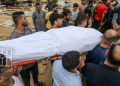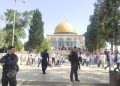
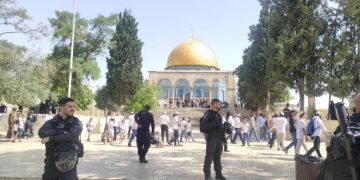
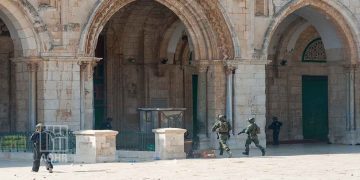




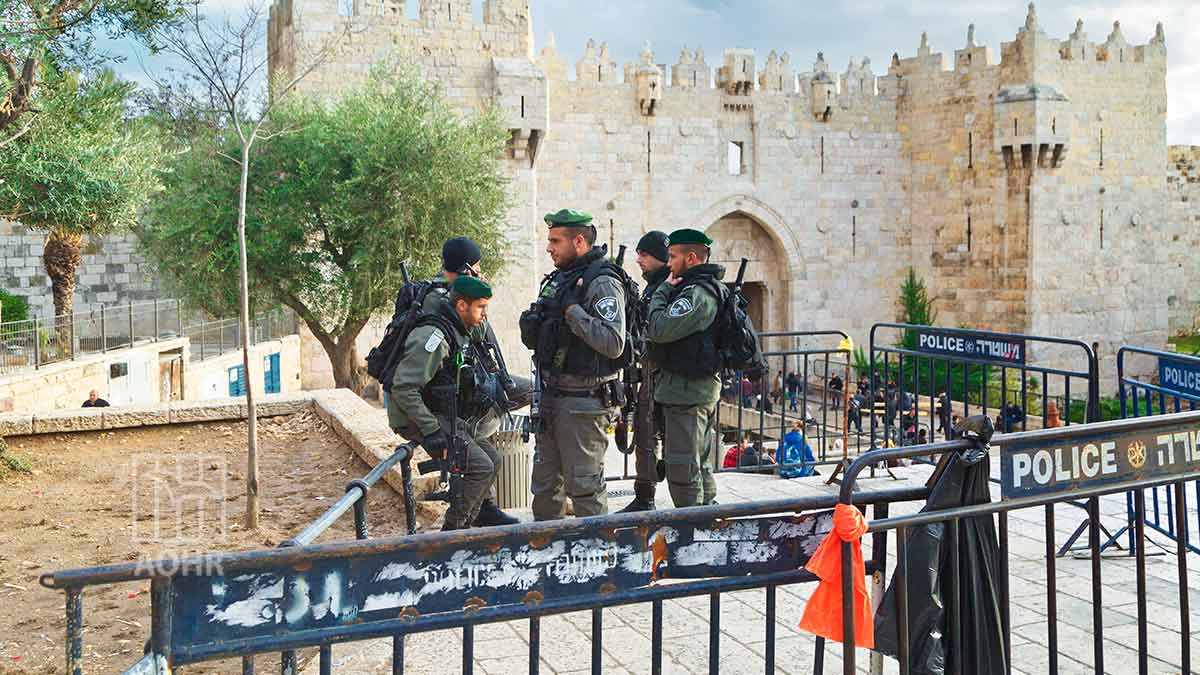
Israeli occupation authorities have intensified restrictions on the entry of Palestinian worshippers from the West Bank into Occupied Jerusalem to perform the first Friday prayers of Ramadan at Al-Aqsa Mosque.
The measures included age-based and administrative restrictions, barring men under 55 and women under 50 from entering the city, even if they held so-called “special permits”.
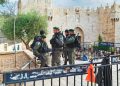
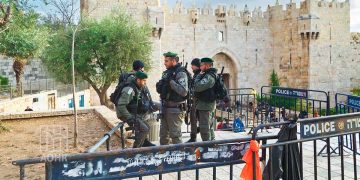
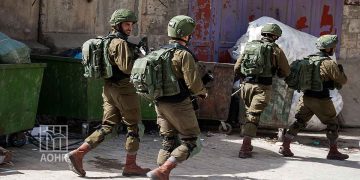
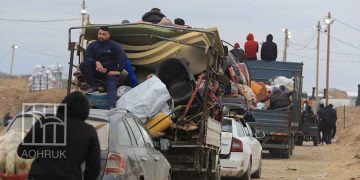
Israeli occupation forces increased their military presence at Qalandiya checkpoint, conducting thorough identity checks, as thousands of Palestinians gathered from the early hours of the morning in the hope of reaching Al-Aqsa Mosque.
Local sources reported that dozens of elderly individuals were turned back at Qalandiya and Bethlehem checkpoints on the grounds that they did not meet permit conditions. Four paramedics were also detained, while the work of journalists and medical teams was obstructed.
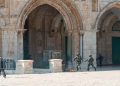
Additional restrictions were imposed at the entrances to the Old City and the gates of Al-Aqsa Mosque, where young men were subjected to intensive searches, and a number were denied entry.
According to the Jerusalem Governorate, Israeli occupation authorities justified preventing worshippers from crossing Qalandiya checkpoint by claiming that the “permitted quota” had been reached, leaving thousands stranded at the checkpoint.
These measures raise legal concerns under international humanitarian law, particularly the Fourth Geneva Convention of 1949, which obliges an occupying power to ensure normal life for the protected population and to respect their fundamental rights.
Freedom of religion and the right to practise religious rituals are protected under international human rights law, including the International Covenant on Civil and Political Rights, which guarantees the freedom to manifest religion or belief in worship and observance.
International law also guarantees freedom of movement within occupied territories, allowing only necessary and proportionate restrictions for security reasons. However, broad collective restrictions, especially those based on age or geographic origin, may constitute discriminatory and collective punishment, both prohibited under international humanitarian law.
East Jerusalem is recognised as occupied territory under international law and relevant United Nations resolutions. Any measures that alter access to holy sites or affect the administration of religious endowments may therefore be viewed as undermining the existing legal and historical status quo, which must be preserved.
Furthermore, obstructing the work of medical and media personnel violates the special protections afforded to these groups under international law, which requires that their work be facilitated unless strictly necessary security reasons apply.
The continuation of these restrictions entrenches a pattern of systematic limitations on freedom of worship and movement, raising serious concerns about the occupying power’s compliance with its legal obligations towards the civilian population, amid ongoing calls to ensure free and safe access to holy sites and to uphold the established legal and historical status quo in occupied Jerusalem.