

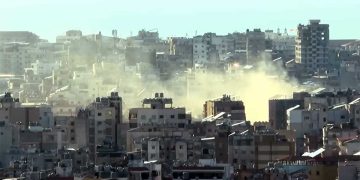

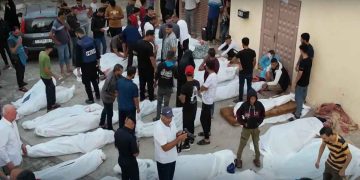







Three Palestinian civilians were killed on Sunday morning after Israeli occupation forces targeted the Al-Shuja’iyya neighbourhood east of Gaza City, once again highlighting the fragile state of civilian protection in densely populated residential areas of the Gaza Strip.
According to medical sources, one civilian was killed after a gathering of civilians was targeted with a bomb dropped from a drone, while two others were killed in an airstrike near the Al-Shawa fuel station on Al-Mansoura Street.
With this incident, the number of Palestinians killed and injured since 11 October has risen to 404 killed and 1,108 wounded.
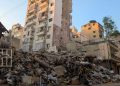
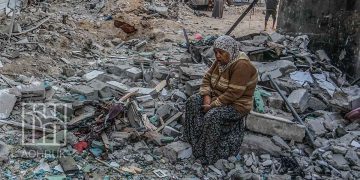
Al-Shuja’iyya is one of the most densely populated neighbourhoods in Gaza, characterised by closely packed residential buildings and infrastructure that has been severely damaged over recent months. Targeting such areas places civilians — including children, women, and the elderly — in constant danger and significantly increases the likelihood of loss of life, even in the absence of any clear military objectives.
The right to life is a cornerstone of the international human rights framework and may not be arbitrarily violated under any circumstances. International humanitarian law imposes a strict obligation to protect civilians and prohibits attacks directed against them or against civilian objects, including public streets, fuel stations, and residential areas.
The use of drones and explosive weapons in populated areas also raises serious concerns regarding compliance with the principles of distinction and proportionality, as well as the obligation to take all feasible precautions to minimise incidental harm. These principles are not discretionary but constitute binding legal obligations intended to reduce human suffering.
The impact of such attacks extends beyond the immediate toll of those killed and wounded, reaching deep psychological and social consequences. Residents live under constant fear, while an already exhausted health system struggles to respond adequately to growing needs. Targeting areas surrounding vital facilities further exacerbates the crisis in fuel supplies, emergency response, and essential services.
This incident occurs within the context of a large-scale war that began on 8 October 2023, which has resulted in approximately 71,000 Palestinian deaths and more than 171,000 injuries, alongside massive destruction of homes and infrastructure. United Nations estimates indicate that reconstruction costs exceed USD 70 billion. These figures reflect the scale of accumulated violations of civilians’ fundamental rights, foremost among them the rights to life, health, and safe housing.
The events in Al-Shuja’iyya once again underscore the urgent need to ensure effective protection for civilians, uphold the peremptory rules of international humanitarian law, and prevent impunity for actions that lead to the killing of civilians or place their lives at risk. The continued loss of life in residential neighbourhoods is a grave indicator of the depth of the human rights crisis facing the Gaza Strip.